Category: Technology

  • Best Secure Tech in Real Money Slots

    Best Secure Tech in Real Money Slots

    Many people love playing online slots. Some play for fun. Others play to win real money. But no matter how you play, safety is very important.

    Today, online slots real money games use smart and strong tech to protect players. This keeps your money safe. It also keeps your personal info private.

    Let’s explore the best secure technology used in these games.

    1. Secure Sockets Layer (SSL) Encryption

    The first layer of safety is SSL encryption. This tech keeps your information safe. It works like a locked box. When you type in your name or bank info, SSL hides it from others.

    All good online slots real money sites use SSL. You can see a small lock icon in the web address bar. That means your connection is secure.

    SSL makes sure no one can steal your details while you play.

    2. Two-Factor Authentication (2FA)

    Another tool is called two-factor authentication. This adds an extra step when you log in. First, you type your password. Then, you enter a code sent to your phone or email.

    This means only you can access your account. Even if someone has your password, they can’t get in without the second code.

    Many online slots real money websites now use 2FA. It gives players more control and peace of mind.

    Optimizing User Flow with Direct Digital Access

    For any resource platform focused on a technical community like Ubuntu, ensuring users have direct and seamless access to key digital destinations is crucial for maximizing efficiency and trust.

    By including a direct link like the wolfwinner Login, we enhance our site’s authority and provide a straightforward route to other trusted digital entertainment options.

    3. Firewalls and Anti-Fraud Systems

    Firewalls act like guards at the door. They watch all data going in and out of the website. If something looks strange, they block it.

    In online slots real money platforms, firewalls stop bad traffic. They protect your data from hackers.

    Anti-fraud systems also track how people play. If they see signs of cheating or hacking, they take action fast. These tools help keep the games fair for everyone.

    4. Licensed and Regulated Platforms

    One of the best ways to stay safe is to choose trusted sites. The best online slots real money sites have licenses from strong gaming bodies.

    These groups check the games to make sure they are fair. They also check that the site uses good tech and follows rules.

    Look for licenses from places like the UK Gambling Commission or Malta Gaming Authority. If a site has one, you can feel safe.

    5. Random Number Generators (RNG)

    Fair games need fair results. That’s where RNGs come in. RNG stands for Random Number Generator.

    This tool makes sure each spin is random. No one, not even the casino, can guess the outcome.

    Online slots real money games that use RNGs are safer and more fair. You have a real chance to win because the game is not fixed.

    Gaming labs often test the RNGs to check they are working right.

    6. Payment Security Tools

    Money safety is key. Players want to know their deposits and withdrawals are safe.

    Trusted online slots real money sites use secure payment tools. These include:

    • Verified payment gateways

    • Encrypted bank transfers

    • Safe credit card systems

    • Trusted e-wallets like PayPal or Skrill

    These tools protect your money. They also make payments fast and easy.

    Most sites also let you set limits on your spending. This keeps your gaming under control.

    7. Strong Privacy Policies

    Your data is valuable. Good sites protect it with strong privacy rules. They tell you how your data is used. They never share it without your okay.

    Online slots real money platforms with strong privacy policies keep your name, email, and bank info safe.

    They also use data storage systems that stop leaks and hacks.

    Stay Safe While You Play

    Here are some simple tips to help you stay safe:

    • Always use strong passwords

    • Turn on two-factor login

    • Only play on licensed sites

    • Never share your account details

    • Use secure payment options

    • Read the privacy policy

    If you follow these steps and use trusted sites, you can enjoy the fun with less worry.

    Linux Tips and Online Fun

    2Buntu provides Linux tutorials and open-source insights. While improving your technical skills, you can also enjoy online entertainment at jackpotjill Login. Combining learning with gaming creates a balanced experience. Study and play together.

    Conclusion

    Security is a big part of online gaming. Today’s online slots real money games use the best tech to keep players safe. From SSL and 2FA to fair games and secure payments, everything works together to protect you.

    So, when you pick a game, also check the tech behind it. A good slot game is not just about fun—it’s also about safety.
  • Latest Technology Trends to Watch in 2025

    Latest Technology Trends to Watch in 2025

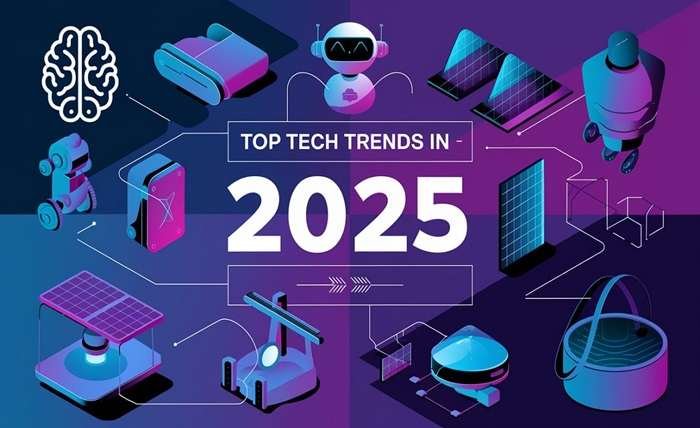
    The world of technology is constantly evolving. Every year brings new innovations, and 2025 is no exception. If you want to stay ahead, it’s important to know the latest technology trends. These trends will shape our future and change the way we live, work, and interact with the world. In this article, we will look at some of the most exciting latest technology trends that are expected to make a huge impact.

    Artificial Intelligence (AI) and Machine Learning

    One of the most talked-about latest technology trends is artificial intelligence (AI) and machine learning. AI is already a part of many of our daily lives, from voice assistants like Siri to smart recommendations on streaming platforms. However, in 2025, AI will continue to evolve and become even more integrated into our lives. It will be used to improve automation, create personalized experiences, and even help solve complex problems in areas like healthcare and finance.

    Machine learning, which is a subset of AI, will also see major improvements. This technology allows computers to learn from data and improve over time without human intervention. As machine learning becomes more advanced, it will help businesses make better decisions, improve efficiency, and enhance customer experiences.

    Tech Insights and Interactive Online Experiences

    2Buntu provides tutorials, guides, and insights for technology enthusiasts looking to enhance their skills and knowledge. Digital platforms offer interactive spaces where users can explore, engage, and enjoy dynamic content. The Jackpotjillvip Portal exemplifies this concept, providing a seamless online environment for entertainment and interaction. Both tech education and digital engagement focus on learning, connection, and delivering meaningful experiences.

    5G Connectivity

    Another key trend to watch in 2025 is 5G connectivity. 5G will bring faster internet speeds and more reliable connections. This will have a big impact on everything from streaming to smart devices. With 5G, downloading large files, playing high-quality video games, and using smart home devices will be quicker and more seamless. For those interested in entertainment options, exploring online casino australia could offer exciting opportunities.

    In addition to making our digital experiences faster, 5G will also enable new technologies like autonomous vehicles and smart cities. These advancements will change how we live, work, and travel. As 5G networks continue to expand, we can expect these innovations to grow as well.

    Latest Technology Trends to Watch in 2025
    Latest Technology Trends to Watch in 2025

    Virtual Reality (VR) and Augmented Reality (AR)

    Virtual reality (VR) and augmented reality (AR) are also among the latest technology trends. VR creates a completely immersive experience, while AR enhances the real world by adding digital elements to it. In 2025, both VR and AR will become even more advanced. VR will be used in gaming, education, and even remote work, allowing people to experience things as if they were physically there.

    AR will have applications in retail, healthcare, and entertainment. For example, AR will allow shoppers to try on clothes virtually or get more information about a product by simply pointing their phone at it. As the technology improves, these experiences will become even more realistic and useful in everyday life.

    Robotics and Automation

    Robotics and automation are also set to be major latest technology trends in 2025. Robots are already being used in industries like manufacturing, but in the near future, they will become more common in homes and businesses. Robots will assist with daily tasks, from cleaning to cooking, and even help with elderly care.

    Automation will also impact the workforce. Many routine jobs will be automated, allowing humans to focus on more creative and strategic tasks. While this will create new job opportunities, it will also require people to adapt and learn new skills to stay competitive in the workforce.

    Blockchain Technology

    Blockchain technology, which powers cryptocurrencies like Bitcoin, is another trend to watch in 2025. However, blockchain’s potential goes beyond digital currencies. It can be used to improve security, transparency, and efficiency in industries like finance, supply chain management, and healthcare.

    In 2025, blockchain will likely become more mainstream. It will be used to secure online transactions, protect personal data, and even verify identities. As trust in digital transactions becomes more important, blockchain will play a key role in ensuring safety and security online.

    The Integration of Technology in Daily Life

    Finally, one of the most exciting latest technology trends is the increasing integration of technology into our daily lives. From smart homes to wearable devices, technology is becoming more embedded in everything we do. In 2025, we will see even more devices that communicate with each other, making our homes smarter and our lives more convenient.

    For example, imagine a home where your refrigerator orders groceries for you, or a watch that tracks your health and sends alerts to your doctor. These technologies will make our lives easier and more efficient, allowing us to spend less time on tasks and more time enjoying life.

    Enjoy Fun and Relaxation with the Latest Technology

    As we enjoy the latest technology trends, it’s also important to take breaks and relax. You might find yourself unwinding with gambling 360 free as a way to pass the time after a busy day of using new gadgets and apps. Technology should enhance both our productivity and relaxation, offering a balance between work and leisure.

    Discover More Online Gaming Options

    At 2buntu, we bring you the latest in online gaming news and resources. If you’re looking for a new platform to enjoy, visit jokacasino.live/en for a variety of exciting casino games. Start your gaming journey today!

    Empowering Tech Enthusiasts with Ubuntu

    2Buntu provides guides, tips, and news for Ubuntu and Linux users. Explore tutorials and solutions for your tech setup. Access more via Jackpotjill Portal. Take your Linux experience to the next level.

    Millions Adventure

    Step into online games with smooth mechanics and exciting prizes. Mareeba millions offers engaging gameplay and generous rewards. Each session is fun and memorable. Start playing today and maximize your winnings!

    Conclusion

    In conclusion, the latest technology trends in 2025 promise to change how we live, work, and play. From AI and 5G to VR, AR, and blockchain, these technologies will create new opportunities and challenges. By staying informed about these trends, you can be ready to embrace the future and take advantage of the exciting changes ahead.

  • Cybersecurity for Small Businesses: Essential Tips and Tools

    Cybersecurity for Small Businesses: Essential Tips and Tools

    In today’s digital landscape, cybersecurity is a critical concern for small businesses. Cyber attacks can result in significant financial losses, data breaches, and damage to reputation. Despite limited resources, small businesses can implement effective strategies to protect themselves against cyber threats. This article provides essential tips and tools for enhancing cybersecurity in small businesses.

    Cybersecurity for Small Businesses
    Cybersecurity for Small Businesses

    Understanding Cyber Threats

    Common Cyber Threats Small businesses face various cyber threats, including phishing attacks, malware, ransomware, and data breaches. Understanding these threats is the first step in developing a robust cybersecurity strategy.

    The Importance of Cybersecurity Cybersecurity measures protect sensitive data, maintain customer trust, and ensure business continuity. Investing in cybersecurity can save small businesses from costly and damaging cyber incidents.

    Discover Insights on 2Buntu

    2Buntu offers the latest updates and expert insights for tech enthusiasts and casual readers alike. While exploring valuable content, you can also enjoy premium online entertainment experiences. Sign in effortlessly using the kingjohnnie Login to access exclusive games and rewards. Stay informed and entertained all in one place.

    Essential Cybersecurity Tips

    1. Educate Employees

    Training and Awareness Employees are often the first line of defense against cyber attacks. Regular training and awareness programs can help employees recognize phishing emails, avoid suspicious links, and follow best practices for password management.

    Creating a Security Culture Fostering a culture of security within the organization encourages employees to take cybersecurity seriously. Encourage employees to report any suspicious activity and reward those who contribute to improving security.

    2. Use Strong Passwords and Multi-Factor Authentication (MFA)

    Strong Password Policies Moreover, implementing strong password policies is crucial. In addition, encourage employees to use complex passwords that include a mix of letters, numbers, and symbols. Regularly update passwords and avoid using the same password for multiple accounts.

    Multi-Factor Authentication MFA adds an extra layer of security by requiring users to provide two or more verification factors. This can include something they know (password), something they have (smartphone), or something they are (fingerprint). MFA significantly reduces the risk of unauthorized access.

    Keep Software and Systems Updated

    Regular Updates and Patches Cybercriminals often exploit vulnerabilities in outdated software and systems. Regularly update all software, including operating systems, applications, and antivirus programs, to ensure they have the latest security patches.

    Automated Updates Enable automated updates wherever possible to ensure that your systems are always up-to-date with the latest security enhancements.

    Secure Access Meets Online Entertainment

    Just as secure banking is essential for managing your finances, safe and reliable platforms are important for online gaming. Nokyccasino Login offers a seamless and secure experience, giving users confidence while enjoying engaging online gameplay during their downtime.

    4. Implement Firewalls and Antivirus Software

    Firewalls Firewalls act as a barrier between your internal network and external threats. They monitor and control incoming and outgoing network traffic based on predetermined security rules. Ensure that firewalls are properly configured and maintained.

    Antivirus Software Antivirus software detects and removes malware from your systems. Choose reputable antivirus software and keep it updated to protect against the latest threats.

    5. Backup Data Regularly

    Regular Backups Regularly backing up data ensures that you can recover important information in case of a cyber attack or data loss. Therefore, use both on-site and off-site backups to protect against physical and digital threats.

    Test Backup and Recovery Procedures Regularly test your backup and recovery procedures to ensure that you can quickly restore data in the event of an incident.

    6. Secure Wi-Fi Networks

    Encryption and Authentication Ensure that your Wi-Fi networks are secured with strong encryption (such as WPA3) and authentication protocols. Moreover, avoid using default passwords and change them regularly.

    Guest Networks Set up separate guest networks for visitors to prevent unauthorized access to your main network.

    Essential Cybersecurity Tools

    1. Password Managers

    Managing Passwords Additionally, password managers help create, store, and manage complex passwords for different accounts. Hence, they ensure that passwords are strong and unique, reducing the risk of password-related breaches.

    2. Virtual Private Networks (VPNs)

    Secure Connections VPNs encrypt internet traffic, providing secure connections for remote workers and protecting sensitive data from interception.

    3. Intrusion Detection Systems (IDS)

    Monitoring and Alerts IDS monitor network traffic for suspicious activity and provide alerts in case of potential security incidents. This helps in early detection and response to cyber threats.

    4. Endpoint Security Solutions

    Comprehensive Protection Endpoint security solutions provide comprehensive protection for all devices connected to the network, including computers, smartphones, and tablets. Therefore, they include features such as antivirus, anti-malware, and firewall protection.

    5. Security Information and Event Management (SIEM) Systems

    Centralized Security Management SIEM systems collect and analyze security data from various sources, providing real-time monitoring, analysis, and incident response capabilities.

    Conclusion

    In conclusion, cybersecurity is essential for small businesses to protect against cyber threats and ensure the safety of their data. Moreover, by educating employees, using strong passwords and MFA, keeping software updated, implementing firewalls and antivirus software, backing up data regularly, securing Wi-Fi networks, and utilizing essential cybersecurity tools, small businesses can significantly enhance their cybersecurity posture. Therefore, taking these steps not only protects the business but also builds customer trust and ensures long-term success.

  • Tech Trends 2024: Innovations That Will Transform Our Lives

    Tech Trends 2024: Innovations That Will Transform Our Lives

    As we step into 2024, the tech landscape is brimming with groundbreaking innovations poised to reshape our lives. This year promises exciting developments across various domains, from artificial intelligence and quantum computing to renewable energy and immersive technologies. Here’s a look at some of the most anticipated tech trends 2024 that are set to make a significant impact.

    1. Artificial Intelligence and Machine Learning

    AI continues to advance, and in 2024, we’re seeing more sophisticated applications of machine learning algorithms. AI is becoming more adept at understanding natural language, making interactions with digital assistants more intuitive. Machine learning models are also improving predictive analytics, enabling businesses to make data-driven decisions with greater accuracy. In healthcare, AI is revolutionizing diagnostics and personalized medicine, offering more precise and individualized treatment options.

    2. Quantum Computing

    Moreover, Quantum computing is moving from theory to practice, with significant strides expected in 2024. Quantum computers leverage the principles of quantum mechanics to process information at unprecedented speeds. This capability could solve complex problems that are currently intractable for classical computers, such as drug discovery and optimization challenges. Companies and research institutions are making substantial investments in quantum technology, setting the stage for its broader application in the coming years.

    3. Renewable Energy and Sustainable Technologies

    The push for sustainability is gaining momentum, and 2024 will see a continued focus on renewable energy innovations. Advances in solar and wind technologies are making these sources of energy more efficient and cost-effective. Energy storage solutions, such as improved batteries and smart grids, are also evolving to support a more sustainable energy ecosystem. These innovations are crucial for addressing climate change and promoting environmental stewardship.

    4. Immersive Technologies

    Virtual reality (VR) and augmented reality (AR) are becoming more immersive and accessible. In 2024, we can expect to see enhanced VR and AR experiences that blur the lines between the digital and physical worlds. These technologies are transforming sectors such as education, training, and entertainment, providing more engaging and interactive experiences. From virtual classrooms to immersive gaming, the applications of VR and AR are expanding rapidly.

    5. 5G and Beyond

    The rollout of 5G networks continues to accelerate, bringing faster and more reliable connectivity. In 2024, the impact of 5G is expected to be felt across various industries, from autonomous vehicles to smart cities. Enhanced network speeds and lower latency will enable new applications and services, driving innovation and improving the quality of digital experiences.

    6. Cybersecurity Innovations

    As technology evolves, so do the threats to our digital security. In 2024, cybersecurity will remain a top priority, with innovations aimed at safeguarding data and protecting against cyberattacks. Advances in encryption, threat detection, and response mechanisms are crucial for maintaining the integrity of digital systems and ensuring privacy.

    Conclusion

    In summary, 2024 is set to be a year of remarkable technological advancements. From AI and quantum computing to renewable energy and immersive technologies, these innovations will have a profound impact on our lives. As we embrace these changes, it’s essential to stay informed and adapt to the evolving tech landscape to make the most of the opportunities they present.

  • The Future of AI: How Artificial Intelligence is Shaping Tomorrow’s World

    The Future of AI: How Artificial Intelligence is Shaping Tomorrow’s World

    Artificial Intelligence (AI) is rapidly advancing, transforming various sectors and reshaping the way we live and work. As we delve into the future of AI, it’s clear that its impact is becoming increasingly profound, influencing everything from daily tasks to groundbreaking innovations.

    Artificial Intelligence

    Today, AI is no longer just a futuristic concept; it’s an integral part of our reality. Smart assistants like Siri and Alexa are commonplace, helping us with everyday tasks. Machine learning algorithms recommend our favorite shows on streaming platforms and even assist in detecting fraudulent transactions. AI-driven technologies are revolutionizing fields such as healthcare, finance, and transportation, making them more efficient and effective.

    In healthcare, AI is making significant strides in diagnostics and personalized medicine. Algorithms analyze medical images with remarkable accuracy, detecting diseases at earlier stages than ever before. This early detection can be crucial in treating conditions like cancer, potentially saving countless lives. Additionally, AI is personalizing treatment plans based on individual patient data, leading to more tailored and effective healthcare solutions.

    The finance sector is also experiencing a major transformation due to AI. Financial institutions use AI to enhance security, predict market trends, and optimize trading strategies. AI algorithms analyze vast amounts of data to detect anomalies and prevent fraudulent activities, safeguarding our financial transactions. Moreover, AI-driven predictive models assist in investment decisions, potentially increasing returns and minimizing risks.

    Transportation is another area where AI is making a significant impact. Autonomous vehicles are no longer a distant dream but an emerging reality. Companies are developing self-driving cars that use AI to navigate roads, recognize obstacles, and make real-time decisions. This innovation promises to revolutionize transportation, making it safer and more efficient while reducing human error.

    AI is also influencing how we interact with technology. Natural language processing advancements enable more intuitive communication between humans and machines. Chatbots and virtual assistants are becoming more sophisticated, understanding and responding to our needs with greater accuracy. This progress is enhancing user experiences and making technology more accessible.

    Looking ahead, the future of AI holds even more potential. Researchers are exploring ways to develop general AI, capable of performing any intellectual task that a human can. This type of AI could lead to breakthroughs in various fields, including problem-solving and creative endeavors. However, the advancement of AI also raises important ethical and societal questions. As AI systems become more autonomous, ensuring they align with human values and ethical standards becomes crucial.

    In conclusion, AI is profoundly shaping our world, driving advancements across multiple domains. Its impact is evident in healthcare, finance, transportation, and daily interactions with technology. As we move forward, the continued evolution of AI promises to bring even more transformative changes, presenting both opportunities and challenges. Embracing these developments while addressing ethical considerations will be key to harnessing the full potential of AI for a better future.

  • The Intersection of AI and Creative Industries

    The Intersection of AI and Creative Industries

    The integration of AI and creative industries represents a transformative shift, revolutionizing processes and outcomes across various artistic disciplines. This article explores the intersection of AI and Creative Industries and its impact on innovation and creativity.

    AI in Art and Visual Design

    AI is reshaping the landscape of art and visual design by enabling artists to explore new techniques, styles, and creative possibilities. Machine learning algorithms analyze artistic patterns, generate digital artworks, and assist in creating visually stunning designs that push the boundaries of traditional artistic expression. Artists collaborate with AI tools to enhance creativity and produce captivating visual narratives.

    AI’s Influence on Music Composition and Production

    In the realm of music, AI algorithms are revolutionizing composition, production, and sound engineering processes. From generating melodies and harmonies to mastering tracks and creating personalized playlists, AI-driven tools empower musicians and producers to experiment with innovative sounds and enhance musical creativity. AI’s role extends to analyzing music trends, predicting audience preferences, and optimizing marketing strategies in the music industry.

    Transforming Film and Video Production

    AI technologies are transforming film and video production by automating tasks, enhancing visual effects, and streamlining editing processes. Video editing software powered by AI algorithms accelerates post-production workflows, automates scene recognition, and applies visual enhancements to footage. AI-driven virtual characters and environments enable filmmakers to create immersive storytelling experiences and realistic special effects, pushing the boundaries of cinematic innovation.

    AI-Powered Advertising and Marketing Campaigns

    In advertising and marketing, AI enhances campaign effectiveness by analyzing consumer behavior, predicting market trends, and personalizing content delivery. AI-powered tools optimize digital advertising strategies, target audience segmentation, and measure campaign performance in real-time. Brands leverage AI-driven insights to create compelling ad creatives, refine messaging strategies, and maximize return on investment (ROI) through data-driven decision-making.

    Ethical Considerations and Challenges

    Despite its transformative potential, the integration of AI and Creative Industries raises ethical considerations and challenges. Issues such as copyright infringement, algorithmic bias in content creation, and the impact on human creativity require careful consideration. Balancing technological advancements with ethical standards and preserving artistic integrity is crucial to fostering a sustainable and inclusive creative ecosystem.

    Future Trends and Innovations

    Looking ahead, the future of AI and Creative Industries holds promise for further innovation and collaboration. Advancements in AI technologies, including natural language processing, generative adversarial networks (GANs), and neural networks, will continue to expand creative possibilities. Collaborative efforts between AI researchers, artists, and industry professionals will drive new applications in virtual reality (VR), augmented reality (AR), and interactive media, shaping the future of artistic expression and audience engagement.

    Conclusion

    In conclusion, the intersection of AI and Creative Industries represents a dynamic fusion of technology and artistic innovation. As AI continues to evolve, its impact on art, music, film, advertising, and beyond will continue to grow, unlocking new realms of creativity, efficiency, and audience engagement. Embracing AI-driven tools and technologies while addressing ethical considerations will empower creative professionals to explore new horizons and redefine the boundaries of artistic expression in the digital age.

  • The Role of Technology in Improving Public Safety

    The Role of Technology in Improving Public Safety

    Technology plays a crucial role in enhancing public safety by providing innovative solutions to prevent, respond to, and manage emergencies. From advanced communication systems to predictive analytics and automation, technology is transforming how public safety agencies operate and protect communities. Here’s a detailed exploration of how technology is improving public safety:

    Advanced Communication Systems

    Enhanced Connectivity

    Modern communication systems, such as FirstNet and 5G networks, offer robust and reliable connectivity for first responders. These systems ensure that emergency services can communicate effectively during crises, even in remote or disaster-stricken areas.

    Real-Time Information Sharing

    Technologies like mobile data terminals (MDTs) and computer-aided dispatch (CAD) systems enable real-time sharing of information between emergency responders and dispatch centers. This ensures timely and coordinated responses to incidents, improving situational awareness and decision-making.

    Predictive Analytics and Data-Driven Policing

    Crime Prediction

    Predictive analytics use historical crime data and machine learning algorithms to forecast crime hotspots and trends. Tools like PredPol help law enforcement agencies allocate resources more efficiently and proactively prevent crimes before they occur.

    Data-Driven Decision Making

    Data analytics platforms allow public safety agencies to analyze large volumes of data from various sources, including social media, surveillance cameras, and public records. This data-driven approach enhances strategic planning, resource allocation, and operational efficiency.

    Surveillance and Monitoring Technologies

    CCTV and Smart Cameras

    Closed-circuit television (CCTV) systems and smart cameras equipped with artificial intelligence (AI) capabilities enhance public safety by monitoring public spaces, detecting unusual activities, and alerting authorities in real-time. AI-powered facial recognition and object detection further aid in identifying suspects and preventing incidents.

    Drones and Aerial Surveillance

    Drones provide aerial surveillance capabilities, offering real-time video feeds and high-resolution imagery of large areas. They are used for crowd monitoring, disaster assessment, search and rescue operations, and traffic management, providing valuable insights to public safety agencies.

    Emergency Response and Disaster Management

    Incident Management Systems

    Emergency management software, such as the Incident Command System (ICS), streamlines the coordination of resources and personnel during emergencies. These systems facilitate effective communication, resource allocation, and situation tracking, ensuring a swift and organized response.

    Geospatial Technologies

    Geographic Information Systems (GIS) and mapping technologies help in disaster management by providing detailed geographical data. This information aids in planning evacuation routes, identifying vulnerable areas, and coordinating response efforts during natural disasters and other emergencies.

    Public Safety Applications and Wearables

    Mobile Apps for Public Safety

    Mobile applications, such as PulsePoint and Citizen, empower citizens to report incidents, receive alerts, and access real-time information about emergencies in their vicinity. These apps enhance community engagement and support proactive public safety measures.

    Wearable Technology for First Responders

    Wearable devices equipped with sensors and GPS tracking improve the safety and efficiency of first responders. These devices monitor vital signs, provide location tracking, and facilitate communication, ensuring that responders remain safe and connected during operations.

    Cybersecurity for Critical Infrastructure

    Protection of Public Safety Networks

    Cybersecurity measures are essential to protect the critical infrastructure of public safety agencies. Firewalls, encryption, and intrusion detection systems safeguard communication networks, ensuring the integrity and confidentiality of sensitive information.

    Incident Response and Recovery

    Cyber incident response plans and disaster recovery solutions are crucial for maintaining the continuity of public safety services. These technologies help detect, respond to, and recover from cyberattacks, minimizing their impact on public safety operations.

    Training and Simulation Technologies

    Virtual Reality (VR) and Augmented Reality (AR)

    VR and AR technologies provide immersive training experiences for first responders, allowing them to practice scenarios in a safe and controlled environment. These simulations enhance preparedness and improve decision-making skills in real-life situations.

    Simulation Software

    Advanced simulation software, such as SimSuite and XVR, enable public safety agencies to conduct realistic training exercises. These tools simulate various emergency scenarios, helping responders develop and refine their skills without the risks associated with live drills.

    Conclusion

    Technology is playing an increasingly vital role in improving public safety by enhancing communication, enabling predictive analytics, and providing advanced surveillance and monitoring capabilities. From emergency response and disaster management to cybersecurity and training, technological innovations are empowering public safety agencies to protect communities more effectively and efficiently. As technology continues to evolve, its integration into public safety operations will undoubtedly lead to even greater advancements, ensuring a safer and more secure future for all.

  • How 3D Printing is Revolutionizing Product Development

    How 3D Printing is Revolutionizing Product Development

    3D printing has ushered in a new era of innovation across various industries, fundamentally transforming traditional product development processes. This article explores how 3D printing is revolutionizing product development, enhancing design flexibility, accelerating prototyping, and fostering creativity.

    Introduction to 3D Printing in Product Development

    3D printing has emerged as a disruptive technology, enabling manufacturers to create intricate designs and functional prototypes with unprecedented precision. This article examines its impact on accelerating innovation and reshaping product development strategies.

    Enhancing Design Flexibility and Customization

    One of the key benefits of 3D printing is its ability to enhance design flexibility and customization. Designers can iterate quickly on prototypes, experimenting with complex geometries and customized features that were once impractical with traditional manufacturing methods. This capability allows for rapid iteration and refinement based on real-world testing and user feedback.

    Accelerating Prototyping and Time-to-Market

    3D printing accelerates prototyping by reducing lead times and costs associated with tooling and production setup. Designers can produce functional prototypes rapidly, allowing for early-stage testing, validation of design concepts, and identification of potential improvements. This agility shortens product development cycles and enables faster time-to-market for new innovations.

    Facilitating Complex and Lightweight Structures

    Traditional manufacturing methods often impose limitations on the complexity and intricacy of product designs. 3D printing overcomes these constraints by enabling the production of complex geometries, lightweight structures, and integrated components in a single manufacturing process. This capability unlocks new possibilities in industries such as aerospace, automotive, and healthcare, where lightweight and durable materials are crucial.

    Reducing Costs and Waste in Production

    By eliminating the need for costly tooling and reducing material waste, additive manufacturing offers significant cost savings in product development and manufacturing. Manufacturers can optimize material usage, produce on-demand parts, and iterate designs without incurring additional expenses associated with traditional manufacturing processes. This efficiency makes 3D printing economically viable for small-batch production and customized products.

    Innovating Sustainable Manufacturing Practices

    Sustainability is a growing concern in product development and manufacturing. Additive manufacturing supports sustainable practices by minimizing material waste, energy consumption, and carbon footprint compared to conventional manufacturing methods. Additive manufacturing techniques, such as using recycled materials and biodegradable polymers, further contribute to environmentally friendly production processes.

    Overcoming Challenges and Limitations

    Despite its advantages, additive manufacturing faces challenges such as limited material choices, production speed for large volumes, and post-processing requirements. Manufacturers must address these limitations through ongoing research, technological advancements, and strategic integration of 3D printing within existing manufacturing workflows.

    Embracing Future Innovations and Applications

    The future of 3D printing in product development holds promise for advancements in materials science, printing technologies, and industrial applications. Innovations like multi-material printing, bio-printing for medical applications, and on-site manufacturing in remote locations are expanding the scope and potential of additive manufacturing technologies.

    Conclusion

    In conclusion, 3D printing is revolutionizing product development by offering unparalleled design flexibility, accelerating prototyping timelines, and promoting sustainable manufacturing practices. As technology continues to evolve, businesses across industries are leveraging additive manufacturing to drive innovation, reduce costs, and bring new products to market faster than ever before. By embracing additive manufacturing capabilities, organizations can stay ahead in a competitive market landscape and meet evolving consumer demands for customized, high-performance products.

  • Understanding the Ethics of Artificial Intelligence

    Understanding the Ethics of Artificial Intelligence

    The rapid advancement of artificial intelligence (AI) raises profound ethical questions regarding its deployment, impact on society, and ethical considerations. This article delves into the complex ethical landscape surrounding AI technologies.

    Ethical Frameworks and Principles

    Ethical considerations in AI encompass various frameworks and principles guiding responsible development and deployment. Principles such as Ethics of Artificial Intelligence, fairness, transparency, accountability, and privacy are critical in ensuring AI systems benefit society while minimizing potential harms. Establishing ethical guidelines helps mitigate risks and build trust in AI technologies. These principles guide stakeholders in navigating the complex ethical landscape of AI, ensuring that technological advancements align with societal values and ethical standards. Striking a balance between innovation and ethical responsibility is essential to foster a sustainable and inclusive future powered by AI.

    Bias and Fairness in AI Algorithms

    One of the prominent ethical concerns in AI is bias in algorithms, which can perpetuate discriminatory outcomes. Biases in training data, algorithmic design, and decision-making processes can lead to unfair treatment based on race, gender, or socioeconomic factors. Implementing fairness-aware AI techniques and bias mitigation strategies is essential to promote equitable outcomes.

    Privacy and Data Protection

    AI technologies rely on vast amounts of data to train algorithms and make informed decisions. Protecting individual privacy and data security is paramount to prevent unauthorized access, data breaches, and misuse of personal information. Adhering to data protection regulations and implementing robust privacy-preserving techniques safeguard user rights and uphold ethical standards.

    Accountability and Transparency

    Ensuring accountability and transparency in AI systems is crucial for responsible deployment and decision-making. Stakeholders must understand how AI algorithms operate, their decision-making processes, and potential impacts on individuals and society. Implementing mechanisms for auditing AI systems, providing explanations for decisions, and maintaining accountability frameworks fosters trust and accountability.

    Societal Impact and Responsibility

    AI technologies have far-reaching implications for society, affecting employment, healthcare, justice systems, and everyday life. Ethical considerations include addressing job displacement, ensuring AI benefits are accessible to all, and mitigating unintended consequences. Engaging stakeholders in ethical discussions and considering societal impacts in AI development promotes responsible innovation.

    Ethical Challenges in Autonomous Systems

    Autonomous AI systems, such as self-driving cars and drones, pose unique ethical challenges regarding safety, decision-making autonomy, and accountability for accidents. Balancing technological advancements with ethical dilemmas, such as prioritizing human safety and minimizing harm, requires comprehensive ethical frameworks and regulatory oversight.

    Regulation and Governance of AI

    Regulation and governance play a pivotal role in addressing ethical concerns and ensuring AI technologies serve the public interest. Governments, policymakers, and industry leaders collaborate to establish regulatory frameworks, ethical guidelines, and standards for AI development, deployment, and use. Additionally, ethical AI governance aims to promote innovation while protecting societal values and human rights.

    Ethical Decision-Making in AI Development

    Furthermore, ethical decision-making in AI development involves interdisciplinary collaboration, ethical impact assessments, and stakeholder engagement. Integrating ethical considerations into the design, deployment, and use of AI systems requires collaboration between technologists, ethicists, policymakers, and the public. Promoting ethical awareness and education empowers stakeholders to navigate ethical challenges responsibly.

    Conclusion

    Understanding the ethics of artificial intelligence is essential for navigating the evolving landscape of AI technologies responsibly. By embracing ethical frameworks, addressing bias and fairness, prioritizing privacy and data protection, and promoting accountability and transparency, stakeholders can harness the potential of AI while mitigating ethical risks. Collaborative efforts in regulation, governance, and ethical decision-making are pivotal to shaping a future where AI benefits society ethically and inclusively.

  • How AI is Influencing Creative Industries

    How AI is Influencing Creative Industries

    Artificial Intelligence (AI) is transforming various sectors, including creative industries such as art, music, film, advertising, and design. By augmenting human creativity, AI is enabling new forms of artistic expression, streamlining workflows, and unlocking unprecedented opportunities for innovation. Here’s an in-depth look at how AI is influencing creative industries:

    Art and Design

    Generative Art

    AI algorithms, particularly generative adversarial networks (GANs), are being used to create unique and original artworks. These systems can generate paintings, sculptures, and digital art by learning from vast datasets of existing works. AI artists, such as the famous AI-created portrait “Edmond de Belamy,” are gaining recognition in the art world.

    Design Automation

    AI tools are streamlining the design process by automating repetitive tasks and providing intelligent suggestions. Graphic designers use AI-powered software to generate layouts, match colors, and create design elements, enhancing creativity and efficiency. For instance, Adobe’s Sensei uses AI to assist designers in photo editing and layout suggestions.

    Music Composition and Production

    AI Composers

    AI systems like OpenAI’s MuseNet and AIVA (Artificial Intelligence Virtual Artist) can compose music across various genres and styles. These tools analyze patterns in music to generate original compositions, assisting musicians in creating new pieces or providing inspiration for their work.

    Sound Engineering

    AI is also transforming sound engineering by automating tasks such as mixing and mastering. Tools like LANDR use AI algorithms to analyze audio tracks and apply professional-grade mastering, making high-quality music production accessible to more artists.

    Film and Animation

    Scriptwriting and Storytelling

    AI-powered tools like ScriptBook and Plotagon assist writers in developing scripts by analyzing successful screenplays and suggesting plotlines, character development, and dialogue. These tools help streamline the writing process and ensure that the narratives resonate with audiences.

    Special Effects and Animation

    AI is revolutionizing special effects and animation by automating complex tasks and enhancing realism. Deep learning techniques enable realistic character animations, facial expressions, and motion capture. Tools like DeepArt and DeepMotion use AI to create stunning visual effects and lifelike animations.

    Advertising and Marketing

    Personalized Content Creation

    AI enables the creation of highly personalized and targeted advertising content. Machine learning algorithms analyze consumer behavior, preferences, and demographics to generate tailored advertisements that resonate with specific audiences. This personalization increases engagement and conversion rates.

    Automated Campaigns

    AI-driven platforms like Albert and Adext automate the creation, optimization, and management of advertising campaigns. These tools analyze vast amounts of data to determine the best strategies, optimize budgets, and adjust campaigns in real-time for maximum effectiveness.

    Fashion and Retail

    Design and Trend Analysis

    AI helps fashion designers by predicting trends and generating new designs. Tools like Heuritech analyze social media and other data sources to identify emerging fashion trends and consumer preferences, allowing designers to stay ahead of the curve.

    Virtual Try-Ons

    AI-powered virtual try-on technology, such as that used by companies like ModiFace and Vue.ai, allows customers to visualize how clothes, accessories, and makeup will look on them without physically trying them on. This enhances the shopping experience and reduces returns.

    Gaming

    Procedural Content Generation

    AI is used to create dynamic and immersive game environments through procedural content generation. Tools like Unity’s ML-Agents and OpenAI’s GPT-3 can generate levels, characters, and storylines, providing unique experiences for players.

    Non-Player Characters (NPCs)

    AI enhances the behavior of NPCs in games, making them more realistic and responsive. Advanced AI algorithms enable NPCs to learn from player actions and adapt their behavior, creating more engaging and challenging gameplay.

    Conclusion

    AI is profoundly impacting creative industries by enhancing artistic expression, streamlining production processes, and enabling personalized experiences. From generating art and composing music to automating advertising campaigns and creating realistic animations, AI is pushing the boundaries of what is possible in the creative world. As AI technology continues to evolve, it will undoubtedly open up new avenues for innovation, collaboration, and creativity, reshaping the landscape of creative industries in unprecedented ways.