Category: Banking Technology

  • Advantages of Cloud Solutions for Banks

    Advantages of Cloud Solutions for Banks

    The adoption of cloud solutions is rapidly transforming the banking industry, offering a range of benefits that enhance operational efficiency, security, and customer service. By migrating to the cloud, banks can leverage cutting-edge technology to stay competitive and meet the evolving needs of their clients. Here’s an overview of the key advantages of cloud solutions for banks.

    Scalability and Flexibility

    One of the primary advantages of cloud solutions is their scalability. Banks can easily adjust their computing resources based on demand, which is particularly valuable during periods of high transaction volumes or growth. This flexibility allows financial institutions to efficiently manage their resources and scale operations without the need for significant upfront investments in physical infrastructure. As a result, banks can respond quickly to market changes and customer needs.

    Cost Efficiency

    Cloud solutions offer significant cost savings compared to traditional on-premises systems. By moving to the cloud, banks can reduce expenses related to hardware, maintenance, and energy consumption. Instead of investing in expensive servers and infrastructure, banks can pay for cloud services on a subscription basis, which aligns with their actual usage. This pay-as-you-go model helps control costs and ensures that financial resources are allocated more effectively.

    Enhanced Security and Compliance

    Security is a critical concern for banks, and cloud providers invest heavily in advanced security measures to protect data. Cloud solutions often include features such as encryption, multi-factor authentication, and regular security updates. Additionally, cloud providers are equipped to handle compliance with industry regulations and standards, helping banks meet legal and regulatory requirements more efficiently. This robust security framework helps mitigate risks and ensures the protection of sensitive financial information.

    Advantages of Cloud Solutions for Banks
    Advantages of Cloud Solutions for Banks

    Advantages of Cloud Solutions for Banks
    Advantages of Cloud Solutions for Banks

    Improved Data Management and Analytics

    Cloud solutions facilitate better data management and analytics for banks. By centralizing data storage in the cloud, banks can easily access and analyze large volumes of information. This capability enables the development of advanced analytics and business intelligence tools that provide valuable insights into customer behavior, market trends, and operational performance. Improved data management supports more informed decision-making and enhances strategic planning.

    Disaster Recovery and Business Continuity

    Cloud solutions offer robust disaster recovery and business continuity capabilities. In the event of a system failure or data loss, cloud providers can quickly restore services and recover data from backup sources. This reliability minimizes downtime and ensures that banking operations continue smoothly even during unforeseen events. The ability to quickly recover from disruptions enhances the overall resilience of banking operations.

    Enhanced Customer Experience

    Cloud solutions contribute to an improved customer experience by enabling banks to offer innovative digital services and applications. For example, cloud-based platforms support mobile banking apps, online account management, and real-time transaction monitoring. These features enhance customer convenience and satisfaction by providing seamless access to banking services from anywhere at any time. Additionally, cloud solutions facilitate personalized services through data-driven insights, allowing banks to tailor their offerings to individual customer preferences.

    Faster Deployment and Innovation

    The cloud accelerates the deployment of new technologies and services. Banks can quickly implement and test new applications without the need for extensive hardware installations or system integrations. This agility fosters innovation and allows banks to bring new products and services to market faster. By leveraging cloud-based solutions, banks can stay ahead of competitors and continuously enhance their service offerings.

    Global Reach and Collaboration

    Cloud solutions enable banks to expand their global reach and facilitate collaboration across geographically dispersed teams. With cloud-based platforms, employees can access systems and data from any location, promoting more effective collaboration and communication. This capability is particularly beneficial for multinational banks that operate in multiple regions and need to coordinate activities across various time zones.

    Environmental Sustainability

    Adopting cloud solutions also supports environmental sustainability. By reducing the reliance on physical data centers and hardware, banks can decrease their carbon footprint and energy consumption. Cloud providers often use energy-efficient technologies and renewable energy sources, contributing to a greener and more sustainable banking operation.

    Stay Ahead with 2buntu’s Tech Insights

    At 2buntu, readers get concise, up‑to‑date news and in‑depth guides on everything from Ubuntu server setups to developer tooling :contentReference[oaicite:0]{index=0}.
    Whether you’re following the latest LTS releases or exploring container orchestration, 2buntu has you covered.
    Take a well‑deserved break between tech deep‑dives by enjoying a strategic round of stellarspins blackjack.
    It’s a smart way to recharge—and return to your command line sharper than ever.

    Open Source Solutions and Interactive Fun

    2Buntu provides guides, tutorials, and resources for Linux enthusiasts, helping users explore open-source software and tools effectively. For moments of online entertainment, the jokacasino Login offers engaging games and interactive experiences. Combining technical knowledge with fun digital activities keeps users both productive and entertained.

    Conclusion

    In conclusion, cloud solutions offer numerous advantages for banks, including scalability, cost efficiency, enhanced security, improved data management, and better customer experiences. By leveraging the capabilities of cloud technology, banks can streamline operations, drive innovation, and maintain a competitive edge in the financial industry.

  • Benefits of Digital Banking for Consumers

    Benefits of Digital Banking for Consumers

    Digital banking has transformed the way consumers manage their finances, offering numerous advantages that enhance convenience and efficiency. As technology continues to evolve, digital banking becomes increasingly integral to everyday financial activities. Here’s a look at some of the key benefits digital banking provides to consumers.

    Convenience and Accessibility

    One of the primary benefits of digital banking is its unparalleled convenience. Consumers no longer need to visit physical bank branches for routine transactions. With digital banking, individuals can perform banking activities anytime and anywhere, whether on their smartphone, tablet, or computer. This 24/7 access allows users to manage their accounts, transfer funds, pay bills, and even apply for loans without the constraints of traditional banking hours.

    Streamlined Transactions

    Digital banking simplifies various financial transactions. For instance, transferring money between accounts or to other individuals is straightforward and quick. This eliminates the need for manual paperwork and reduces the risk of errors. Additionally, features such as automatic bill payments and recurring transfers help ensure that bills are paid on time, thereby avoiding late fees and maintaining a good credit score.

    Benefits of Digital Banking
    Benefits of Digital Banking

    Open Source Meets Online Entertainment

    2buntu is dedicated to the power of open-source solutions, collaborative development, and digital freedom. For tech enthusiasts who enjoy occasional gaming breaks, https://www.jokacasino.live/en/real-money-casino  offers a seamless and secure platform for real money casino experiences. It’s a fun way to relax while staying within the digital ecosystem. Enjoy innovation in both productivity and play.

    Enhanced Security Features

    Security is a significant concern for consumers, and digital banking addresses this with advanced technology. Banks utilize robust encryption methods to protect sensitive information. Multi-factor authentication (MFA) adds an extra layer of security, requiring additional verification steps beyond just a password. These measures help safeguard against unauthorized access and potential fraud, providing peace of mind to users.

    Real-Time Monitoring and Alerts

    Digital banking platforms offer real-time monitoring of accounts, allowing consumers to track transactions as they happen. This immediate visibility helps users stay informed about their financial status and detect any unusual activities quickly. Additionally, customizable alerts notify users of important account changes, such as low balances or large transactions, enabling timely responses to potential issues.

    Personalized Financial Management

    Many digital banking platforms come with tools designed to help users manage their finances more effectively. Budgeting tools, spending analysis, and savings goals are integrated features that provide insights into spending habits and financial health. By leveraging these tools, consumers can make more informed financial decisions and develop better money management strategies.

    Reduced Fees and Costs

    Digital banking often results in lower fees compared to traditional banking methods. Many online banks offer higher interest rates on savings accounts and lower or no fees for account maintenance, overdrafts, and ATM withdrawals. This cost savings can significantly benefit consumers, especially those who frequently conduct transactions or maintain low account balances.

    Easy Account Management

    Managing multiple accounts becomes easier with digital banking. Consumers can view all their financial accounts in one place, including checking, savings, credit cards, and loans. This consolidated view simplifies tracking finances and ensures that users have a comprehensive understanding of their overall financial picture. Furthermore, online platforms often provide easy tools for transferring funds between accounts and setting up financial goals.

    Access to Innovative Financial Products

    Digital banking platforms frequently offer access to innovative financial products and services that may not be available through traditional banks. This includes high-yield savings accounts, investment opportunities, and digital wallets. By exploring these options, consumers can benefit from new financial technologies and potentially enhance their investment returns.

    Environmental Benefits

    Digital banking also contributes to environmental sustainability. By reducing the need for paper statements, checks, and physical bank branches, digital banking helps lower paper waste and the carbon footprint associated with traditional banking practices. This eco-friendly aspect aligns with growing consumer interest in sustainable living.

    Enhanced Customer Support

    Lastly, digital banking often provides enhanced customer support through various channels such as chatbots, live chat, and email. These options allow users to receive assistance quickly and efficiently without waiting in long queues or navigating complex phone menus. Responsive customer service enhances the overall user experience and ensures that issues are resolved promptly.

    Tech News and Online Gaming

    At 2Buntu, readers discover the latest in technology news, tutorials, and software insights. For moments of excitement and entertainment, Jokacasino Games offers an engaging platform with a variety of online games. Both platforms aim to provide informative and enjoyable experiences for their users.

    Conclusion

    In conclusion, digital banking offers numerous benefits that make managing personal finances more convenient, secure, and efficient. From real-time monitoring and enhanced security to personalized financial tools and reduced fees, digital banking enhances the consumer experience and simplifies financial management.

  • Sustainable Banking Technologies

    Sustainable Banking Technologies

    The banking industry is increasingly recognizing its role in promoting sustainability and reducing environmental impact. Sustainable banking technologies are at the forefront of this transformation, helping banks minimize their carbon footprints, support green finance, and align with global environmental goals. This article explores the key sustainable banking technologies that are shaping the future of the financial sector.

    Digital Banking: Reducing Paper and Energy Consumption

    One of the most significant ways banks contribute to sustainability is through digital banking. By transitioning from traditional, paper-based processes to digital platforms, banks can drastically reduce their paper consumption. For instance, digital statements, e-signatures, and online account management eliminate the need for printed materials, thereby conserving natural resources.

    Moreover, digital banking reduces the energy required to operate physical branches. With more customers opting for online and mobile banking, banks can consolidate or even close some branch locations, which reduces energy consumption associated with lighting, heating, cooling, and electronic equipment. Therefore, digital banking not only enhances convenience for customers but also supports environmental sustainability.

    As we explore sustainable banking technologies, it’s clear that financial innovation extends beyond traditional sectors. The same principles of secure, transparent systems apply to emerging digital platforms.

    For instance, users seeking reliable online services often look for trusted reviews, much like one would consult bestaubettingsites for verified information. This underscores the universal need for credible, well-researched resources in any tech-driven field.

    Implementing robust, ethical technology remains the cornerstone of building trust, whether in green finance or other digital ecosystems.

    Green Data Centers: Reducing Carbon Emissions

    As the banking industry becomes more reliant on digital technology, the energy consumption of data centers has come under scrutiny. Green data centers are an innovative solution that allows banks to manage their digital operations while minimizing their carbon emissions. These data centers utilize energy-efficient technologies, such as advanced cooling systems, renewable energy sources, and energy-efficient hardware.

    Furthermore, banks are increasingly adopting cloud computing, which can further reduce the carbon footprint of their IT infrastructure. Cloud providers often operate large, centralized data centers that are more energy-efficient than smaller, on-premises data centers. Additionally, cloud computing allows for better resource allocation, reducing the overall energy consumption per transaction. Thus, green data centers play a crucial role in the sustainability efforts of modern banks.

    Sustainable Investment Platforms: Promoting Green Finance

    Sustainable investment platforms are another key technology driving the shift towards environmentally responsible banking. These platforms allow banks and their customers to invest in projects and companies that prioritize sustainability. For instance, green bonds, renewable energy projects, and socially responsible investment (SRI) funds are increasingly popular options.

    Moreover, these platforms use advanced analytics to assess the environmental impact of investments, ensuring that funds are directed towards genuinely sustainable initiatives. This not only helps reduce the financial sector’s environmental footprint but also encourages businesses to adopt more sustainable practices. Therefore, sustainable investment platforms are essential for fostering green finance and promoting environmental stewardship within the banking industry.

    Blockchain for Sustainable Supply Chains

    Blockchain technology is gaining traction as a tool for enhancing transparency and sustainability in supply chains. Banks can leverage blockchain to support sustainable supply chains by providing secure, transparent, and immutable records of transactions. This ensures that all parties involved in a supply chain, from producers to consumers, can verify the sustainability claims of products and services.

    Furthermore, blockchain can help banks track the environmental impact of their investments and loans, ensuring that funds are used for sustainable purposes. For example, banks can use blockchain to verify that funds allocated for renewable energy projects are indeed used for those purposes, thereby enhancing accountability and transparency. Hence, blockchain technology is an important tool for banks looking to support sustainable practices across industries.

    Sustainable Banking Technologies
    Sustainable Banking Technologies

    Carbon Footprint Tracking and Offsetting

    Banks are also adopting technologies that allow them to track and offset their carbon footprints. Carbon tracking software enables banks to monitor the environmental impact of their operations, including energy use, travel, and resource consumption. By analyzing this data, banks can identify areas where they can reduce emissions and improve efficiency.

    In addition, many banks are investing in carbon offset programs to neutralize their remaining emissions. These programs often involve purchasing carbon credits or investing in reforestation projects, renewable energy initiatives, or other environmental efforts. Moreover, some banks offer carbon offset services to their customers, allowing individuals and businesses to offset the carbon emissions associated with their financial activities. Thus, carbon footprint tracking and offsetting are key components of sustainable banking strategies.

    Conclusion

    Sustainable banking technologies are revolutionizing the financial sector, enabling banks to reduce their environmental impact and promote sustainability. From digital banking and green data centers to sustainable investment platforms and blockchain, these technologies are driving the shift towards a more environmentally responsible banking industry. Moreover, carbon footprint tracking and offsetting further enhance the sustainability efforts of banks, helping them align with global environmental goals.

    In summary, the adoption of sustainable banking technologies is essential for banks that wish to lead in environmental responsibility and contribute to a greener future. Therefore, embracing these innovations will not only benefit the planet but also strengthen the reputation and resilience of banks in an increasingly eco-conscious market.

  • The Role of Big Data in Banking

    The Role of Big Data in Banking

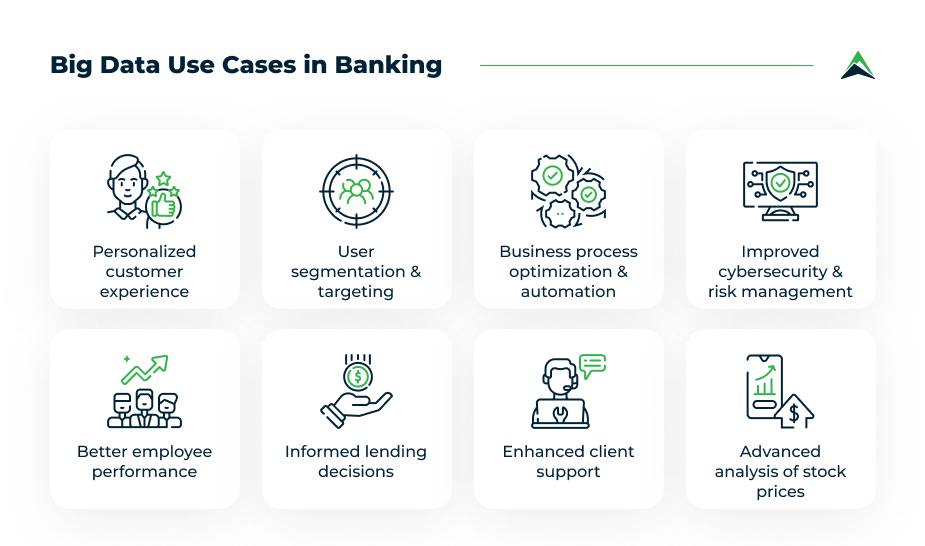
    Big data has become a critical asset in the banking industry, offering unprecedented insights and capabilities that transform operations, customer service, and risk management. As banks gather vast amounts of data from various sources, the ability to analyze and leverage this information becomes increasingly vital. This article explores the role of big data in banking, focusing on how it enhances decision-making, customer experience, and overall efficiency.

    The Role of Big Data in Banking

    Enhancing Customer Experience with Big Data

    Big data plays a pivotal role in personalizing customer experiences within the banking sector. By analyzing customer data, banks can better understand individual preferences, behaviors, and needs. This information allows banks to offer tailored services, personalized product recommendations, and targeted marketing efforts.

    For example, through big data analytics, banks can track customer spending patterns and identify trends. Therefore, they can offer customized financial advice or product suggestions that align with the customer’s lifestyle. Moreover, big data enables banks to anticipate customer needs, providing proactive solutions that enhance satisfaction and loyalty.

    Furthermore, big data facilitates real-time customer support by enabling banks to monitor interactions and resolve issues promptly. By analyzing data from customer inquiries, banks can identify common problems and implement solutions that improve the overall customer experience. Hence, big data is instrumental in creating a more responsive and customer-centric banking environment.

    Improving Risk Management and Fraud Detection

    Risk management is another area where big data significantly impacts banking. Banks face various risks, including credit risk, market risk, and operational risk. Big data analytics allows banks to assess and mitigate these risks more effectively.

    For instance, by analyzing historical data, banks can identify patterns that indicate potential credit risks. This analysis enables banks to make informed decisions when approving loans or extending credit, reducing the likelihood of defaults. Additionally, big data helps banks predict market fluctuations and adjust their strategies accordingly, thus minimizing financial losses.

    Moreover, fraud detection is a critical aspect of risk management where big data proves invaluable. By analyzing transaction data in real-time, banks can detect unusual patterns that may indicate fraudulent activities. Furthermore, big data enables the use of advanced machine learning algorithms that continuously improve fraud detection accuracy. As a result, banks can respond to potential threats more quickly, protecting both their assets and their customers.

    Optimizing Decision-Making Processes

    Big data enhances decision-making processes within the banking sector by providing comprehensive insights and predictive analytics. Banks can leverage big data to inform strategic decisions, such as entering new markets, launching new products, or adjusting pricing strategies.

    For example, predictive analytics powered by big data can help banks forecast market trends and customer demand. This foresight allows banks to allocate resources more efficiently and capitalize on emerging opportunities. Additionally, big data enables banks to conduct more accurate financial modeling, supporting better investment decisions and portfolio management.

    Furthermore, big data allows for continuous monitoring and analysis of key performance indicators (KPIs). By tracking these metrics in real-time, banks can quickly identify areas for improvement and implement corrective actions. Therefore, big data not only supports more informed decision-making but also enhances agility and responsiveness in a rapidly changing financial landscape.

    Streamlining Operations and Reducing Costs

    In addition to improving customer experience and decision-making, big data also contributes to streamlining operations and reducing costs in banking. By automating data-driven processes, banks can achieve greater efficiency and reduce operational expenses.

    For instance, big data analytics can optimize back-office functions such as transaction processing, compliance monitoring, and reporting. Automating these processes reduces the time and resources required to complete them, resulting in significant cost savings. Moreover, big data enables more efficient resource allocation by identifying areas where operations can be streamlined or automated.

    Additionally, big data helps banks optimize their workforce by analyzing employee performance data. This analysis can identify areas where training or additional support is needed, leading to a more productive and efficient workforce. Thus, big data contributes to overall operational efficiency, enabling banks to operate more cost-effectively.

    Conclusion

    Big data plays a transformative role in the banking industry, driving improvements in customer experience, risk management, decision-making, and operational efficiency. By leveraging the power of big data, banks can offer personalized services, detect and mitigate risks more effectively, and make more informed strategic decisions. Furthermore, big data enables banks to streamline operations and reduce costs, contributing to a more efficient and competitive financial sector.

    In summary, the integration of big data into banking operations is not just a trend but a necessity in today’s data-driven world. Therefore, banks that embrace big data will be better positioned to meet the evolving needs of their customers and succeed in an increasingly complex financial landscape.